NSP PROTOTYPES MANUFACTORY

Alloy Steel VS. Stainless Steel: Understanding the Key Differences
NSP PROTOTYPES Technology LIMITED
TIME:
Alloy steel and stainless steel may appear similar at first glance, but they are distinct steel materials with different qualities and properties. In this guide, we will delve into the disparities between alloy steel and stainless steel, which are commonly used in various rapid manufacturing processes.
Alloy Steel: An Overview
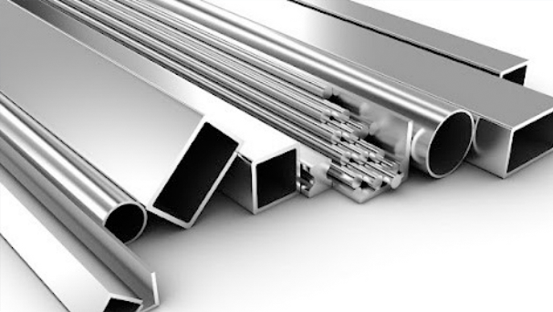
Alloy steel is a type of steel material that has been alloyed with various other elements. The alloyed portion can range from 1% to 50% of the total steel weight. Common alloy materials added to steel include nickel, manganese, zinc, titanium, and lead.
Compared to regular non-alloyed steel, alloy steel offers enhanced properties such as improved strength, hardness, durability, and machinability.
Stainless Steel: An Overview
Stainless steel is an iron alloy designed to resist corrosion. Elements like chromium, carbon, nickel, silicon, and others are added to create stainless steel.
The primary element responsible for stainless steel's corrosion resistance is chromium. The higher the chromium content in stainless steel, the better its ability to prevent rusting and corrosion.
Benefits of Alloy Steel in Industrial Applications
Alloy steel offers numerous advantages in a wide range of industrial applications. In many cases, it outperforms regular steel and can serve as a cost-effective alternative to stainless steel. Here are the benefits of using alloy steel:
Improved hardness, strength, and durability: Alloy steel surpasses regular steel in terms of hardness, strength, and durability due to the addition of various elements. It is also harder than carbon steel, making it an ideal choice for strong and durable workpiece materials.
Enhanced heat and corrosion resistance: Alloy steel exhibits better corrosion resistance and heat resistance than regular steel. This makes it suitable for applications where it will be exposed to high temperatures or constant heat.
Lower material cost compared to stainless steel: Alloy steel can offer a lower material cost compared to stainless steel, while still providing similar benefits. However, lower-grade stainless steel may still be cheaper than alloy steel.
Suitable for welding and machining processes: Alloy steel is easier to weld and machine compared to regular steel. This makes it an excellent choice for CNC prototyping and other sheet metal fabrication processes.
Improved durability for final products: With its increased strength, durability, and machinability, alloy steel ensures better durability for the final products. Whether it's automotive components, construction frames, or engine parts, alloy steel provides the necessary strength and longevity.
Benefits of Stainless Steel in Industrial Applications
Stainless steel is widely favored in industrial applications that require corrosion-resistant properties. It offers several advantages over regular steel and alloy steel. Here are the benefits of stainless steel:
Better aesthetics: Stainless steel has a decorative quality, making it suitable for outdoor use. Its clean and shiny surface finishes enhance the appearance of hardware products.
Corrosion, heat, and impact resistance: Stainless steel exhibits superior resistance to corrosion, heat, and impact. It resists rusting and damage caused by heat exposure and can withstand physical impact effectively.
Ideal for long-term outdoor use: Stainless steel is an excellent choice for long-term outdoor applications. Its durability and aesthetic appeal make it a popular material for public constructions that need to withstand the test of time.
Clean surface finishing: Stainless steel has a clean surface finish, maintaining its shiny and clean appearance over time. It is also easy to clean using regular cleaning products.
Suitable for various environmental conditions: Stainless steel can be used in almost any environmental condition. Its aesthetics, corrosion resistance, and heat resistance make it suitable for both indoor and outdoor use, ensuring long-term durability.
Key Differences Between Alloy Steel and Stainless Steel
While alloy steel and stainless steel may share some similarities in appearance and properties, they are distinct materials with different applications. Here are some key differences between the two:
Chromium content: Stainless steel contains chromium, while alloy steel does not.
Dominant qualities: Stainless steel's dominant quality is corrosion resistance, whereas alloy steel excels in improved hardness and durability.
Grades: Stainless steel has various grades that determine its quality and price.
Aesthetics: Stainless steel offers better aesthetics, making it more suitable for outdoor use.
Corrosion resistance: Stainless steel is highly resistant to corrosion, enabling it to withstand various environmental and weather conditions.
Durability and machinability: Alloy steel is more durable than stainless steel and is easier to machine and weld.
Conclusion: Choosing the Right Material
Both alloy steel and stainless steel find applications in a wide range of industries, each with its own unique qualities. Alloy steel boasts strength and durability, while stainless steel offers corrosion resistance. The choice between the two depends on project requirements and the desired product quality.
In addition to alloy steel and stainless steel, NSP provides a range of other materials such as aluminum and plastics for CNC machining, 3D printing, die casting, and injection molding services. Contact our team today to request a free quote and meet your manufacturing needs.
关于我们
——
ABOUT US


