NSP PROTOTYPES MANUFACTORY

The difference between prototype parts and machined parts
NSP PROTOTYPES Technology LIMITED
TIME:2024/5/21
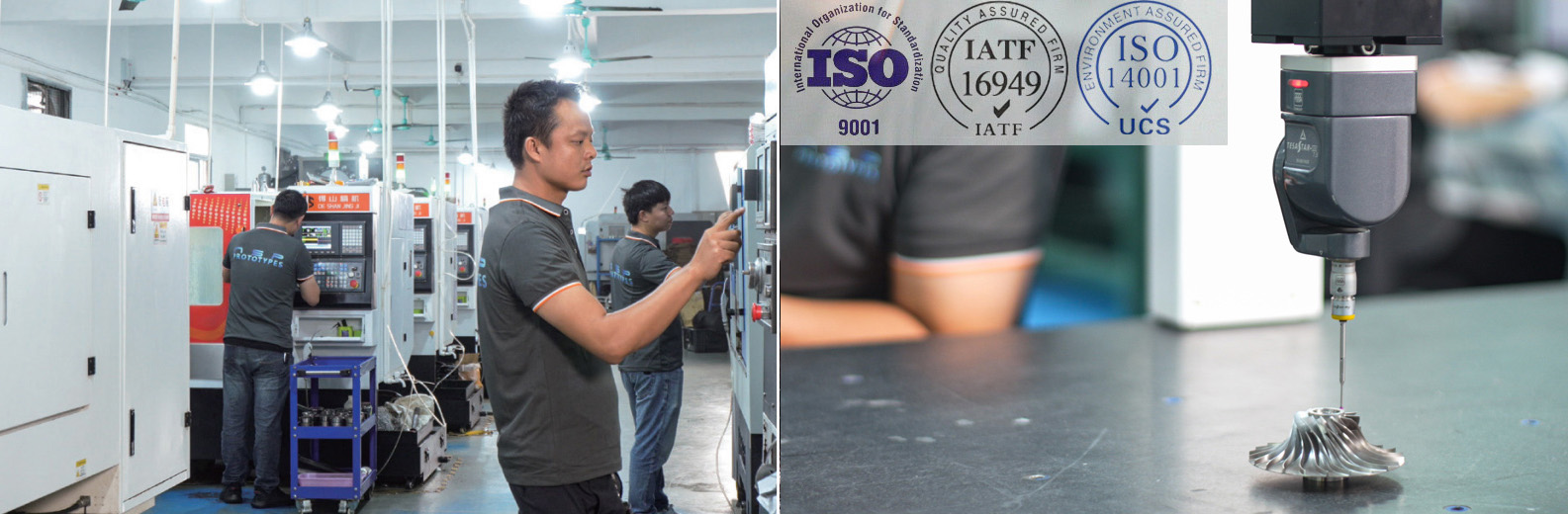
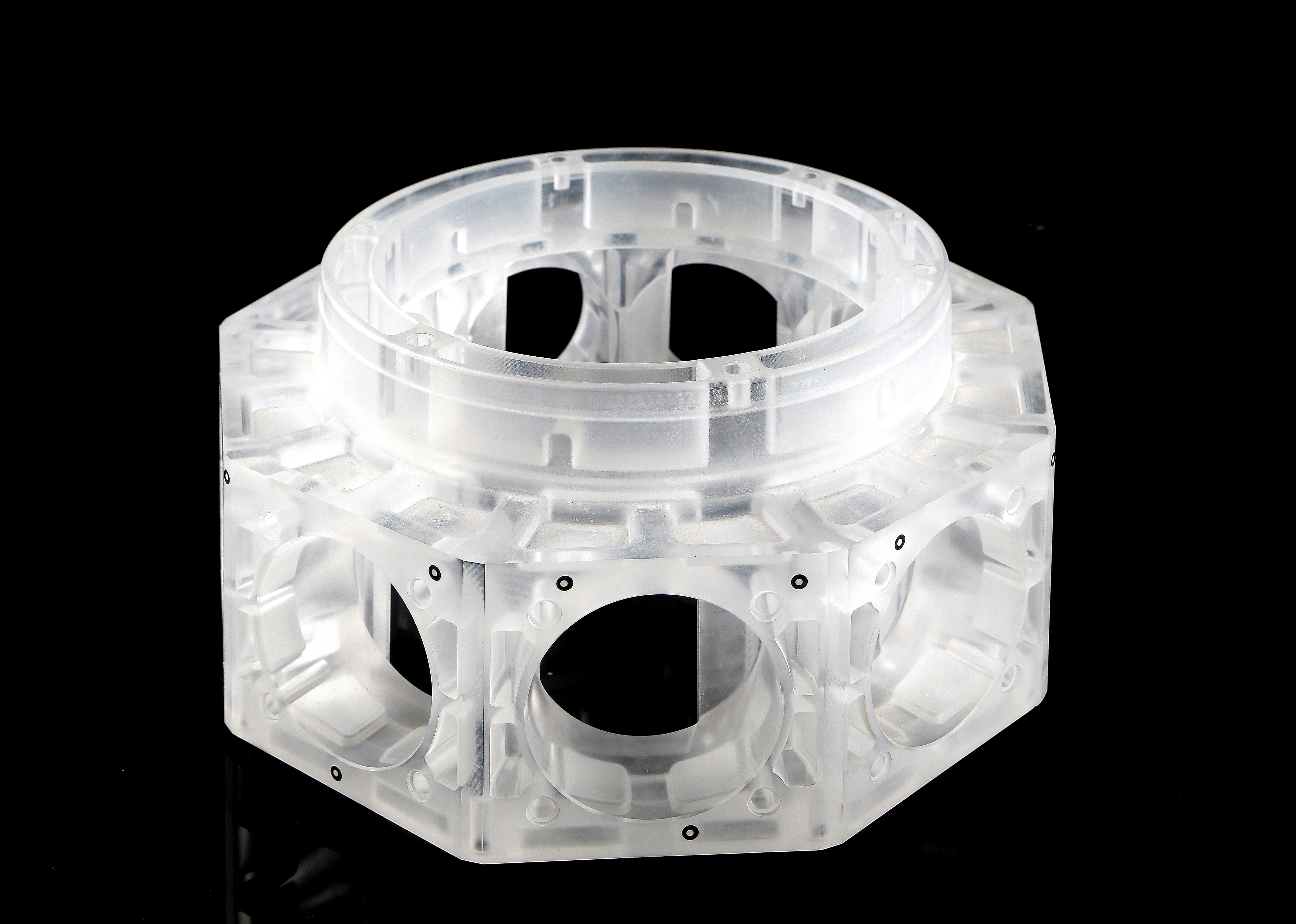
Prototype parts: Prototype parts usually refer to product prototypes or samples. They are produced during the product development stage and are used to verify the feasibility of product design, identify problems in the design, and improve them. Prototype processing can use a variety of technologies, such as 3D printing, CNC processing, etc. These technologies can quickly transform the design into a physical model, allowing designers to conduct actual testing and modifications. Prototype parts are characterized by diversity and customization. Each prototype is unique and is usually not mass-produced.
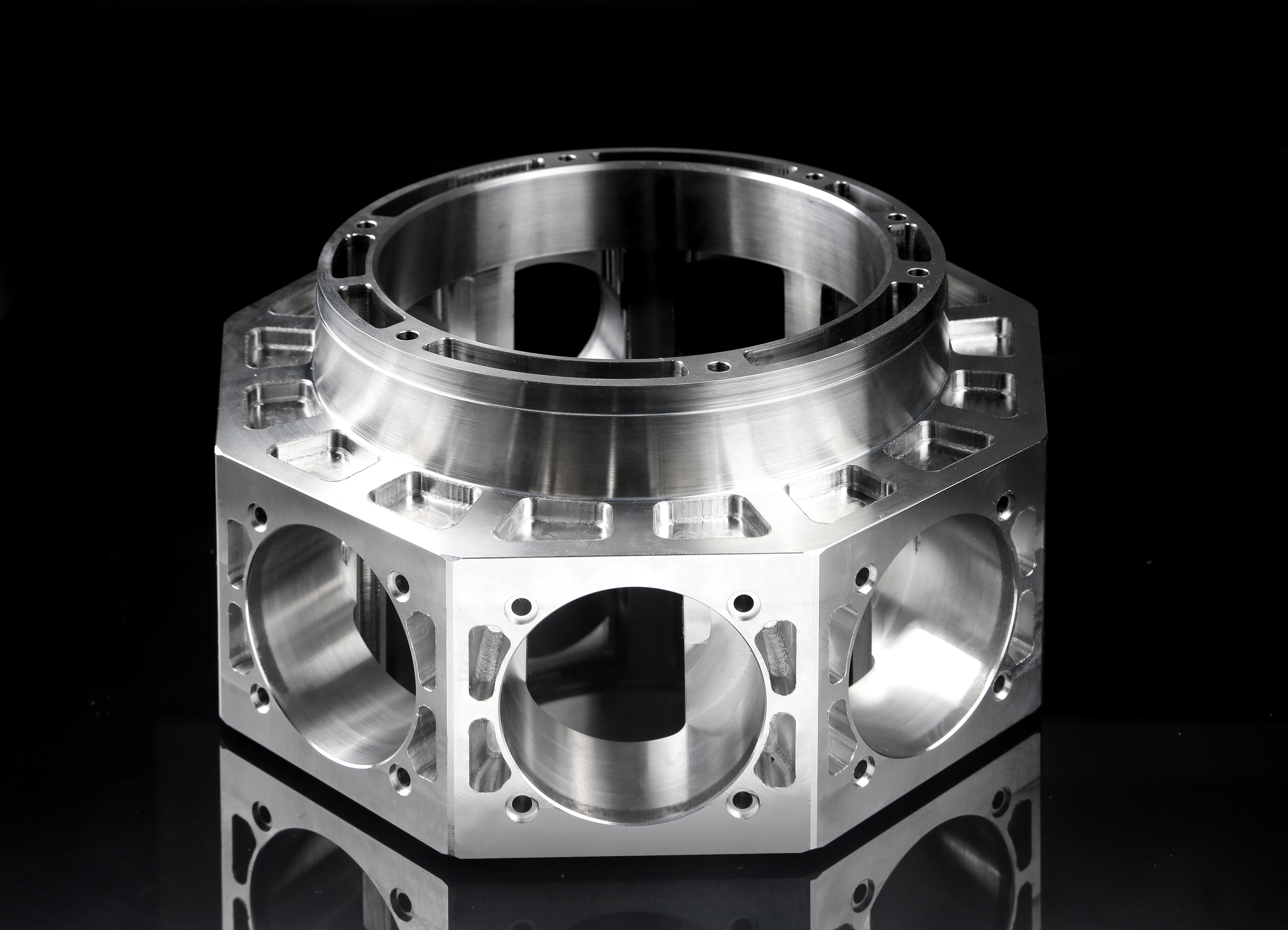
Machined parts: Machined parts refer to parts produced by mechanical processing. These parts are usually mass products or components in industrial production. Mechanical processing includes turning, milling, grinding and other methods to achieve the required shape and size by removing material. Machined parts are characterized by precision and consistency, and each part needs to meet the same technical requirements to ensure quality standards in mass production.
Generally speaking, prototype parts are more used in the product design and development stage, while machined parts are actual parts in the production process. Both are indispensable components of the manufacturing industry, and each plays different important roles.
关于我们
——
ABOUT US


