NSP PROTOTYPES MANUFACTORY

What materials can laser cutting prototypes be used on?
NSP PROTOTYPES Technology LIMITED
TIME:2024/5/23
Metals: Laser cutters are capable of handling a variety of metals, including but not limited to mild steel, stainless steel, alloy steel, aluminum, titanium, and copper and brass. For different metals, the thickness of laser cutting can reach 100 mm, depending on the power of the laser.
Wood: Various types of wood, including plywood and MDF, are suitable for laser cutting. However, due to the risk of ignition of certain oily woods, special care is required when using them.
Plastic: Laser cutting can be used to cut materials such as acrylic, PMMA (plexiglass), Lucite (a transparent plastic), and more. These materials have smooth edges after laser cutting, similar to the effect of cutting with a knife.
laser cutting
Paper and cardboard: Laser cutting also works on paper and cardboard, which is often used to create intricate wedding invitations or other paper crafts.
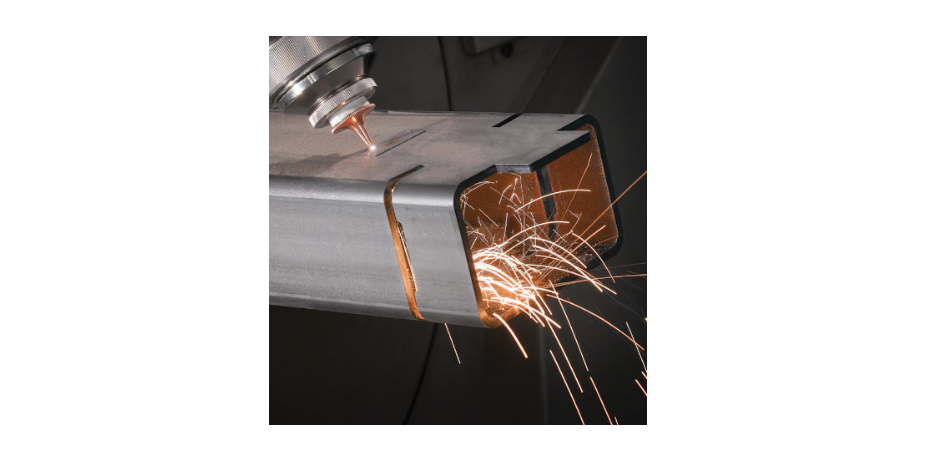
In addition, laser cutting can also be used for processing materials such as sheet metal, glass, ceramics, semiconductors, and textiles.
The principle of laser cutting is to use a focused laser beam to irradiate the workpiece, causing the irradiated area to heat up rapidly, thereby melting or vaporizing the material. A jet of air is also often used to blow the molten material away from the cut, leaving a narrow slit. This technology has widespread applications in precision machining and micromachining, and further growth in these areas is expected in the coming years.
In summary, when choosing laser cutting as a processing method, factors such as the characteristics of the material, the required accuracy, and the production batch size need to be considered to ensure that the most suitable processing method is selected for the project.
关于我们
——
ABOUT US


