NSP PROTOTYPES MANUFACTORY

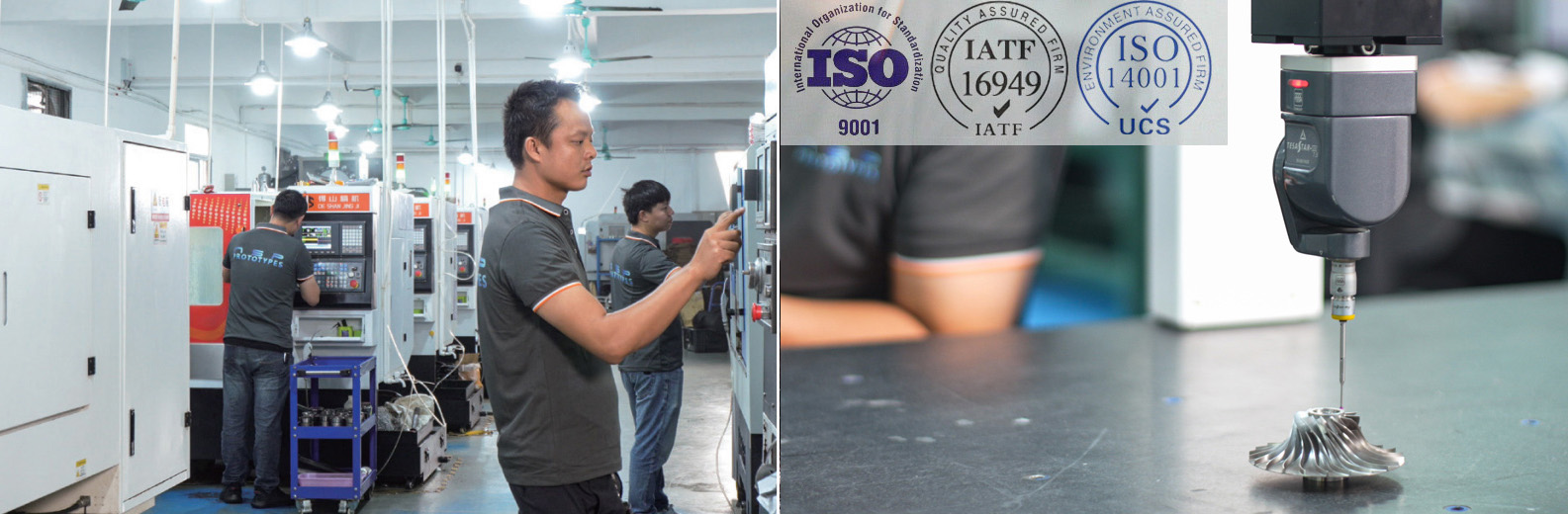
Application of 3D printing prototypes in aerospace field
NSP PROTOTYPES Technology LIMITED
TIME:2024/5/28
Improve manufacturing efficiency: 3D printing technology can significantly shorten the product development cycle, which is crucial for rapid iteration and continuous optimization of high-end products such as spacecraft. For example, in projects such as the "Chang'e" series and the Mars rover, the use of 3D printing technology not only speeds up research and development, but also improves product performance.
Optimized design structure: 3D printing allows designers to achieve complex structural designs that are difficult to complete with traditional methods, which makes the design of spacecraft more optimized, helps reduce weight and improve performance. For example, the main engine of the Tianwen-1 probe achieved a significant reduction in volume and weight through 3D printing.
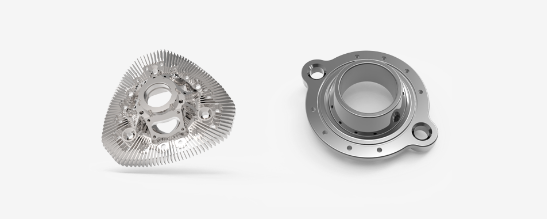
Realizing space industrialization: 3D printing technology is expected to become a key technology on the road to future space industrialization. It can not only produce high-performance aerospace components on Earth, but can also be manufactured directly on space stations or other planets, which is of great significance to humankind's future deep space exploration.
Innovative production organization model: 3D printing technology has changed the traditional production organization model, making customization and small batch production more cost-effective and efficient. This is particularly important in the aerospace sector, as it meets the demands for high precision and individualization in the production of components.
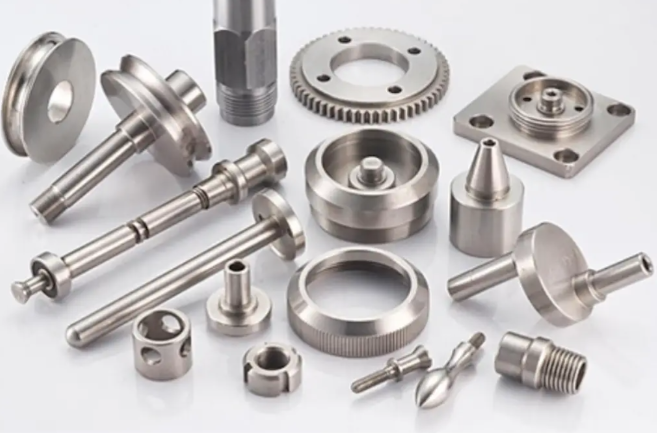
In general, 3D printing technology has shown great potential in the aerospace field. It can not only improve manufacturing efficiency, optimize design structure, reduce costs and improve quality, but also realize space industrialization, innovative production organization models and the deployment of the International Space Station. Apply practice. With the continuous advancement of technology, it is expected that 3D printing will play a more critical role in promoting the development of aerospace technology in the future.
关于我们
——
ABOUT US


