NSP PROTOTYPES MANUFACTORY

What is the principle of low pressure injection mold?
NSP PROTOTYPES Technology LIMITED
TIME:2024/5/28
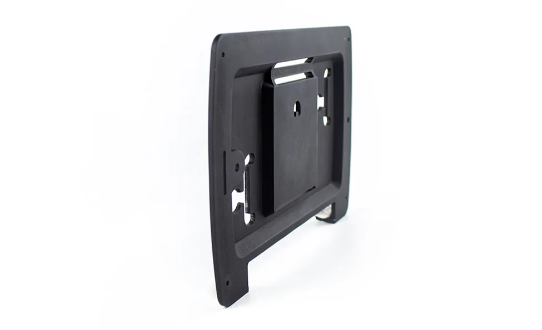
Storage: The raw liquid used in the RIM process is usually stored in two pressure vessels and remains liquid under a certain temperature and pressure.
Metering and mixing: The components are delivered to the mixing head in accurate proportions through a metering pump for uniform mixing.
Mold filling: The mixture is quickly injected into the mold, a process that requires a low viscosity raw material to quickly fill the entire mold cavity.
Curing: The mixture after injection into the mold reacts inside the mold and solidifies rapidly to form the final product.
Demolding and post-processing: The product is taken out of the mold and undergoes necessary post-processing procedures, such as deburring, grinding, painting, etc.
In addition, low-pressure infusion molding has many advantages, including strong manufacturing capabilities for complex-shaped products, short production cycles, high degree of automation, and products with good physical and mechanical properties. Therefore, it is widely used in many industries such as automobiles, furniture, medical equipment, toys, etc.
关于我们
——
ABOUT US


