NSP PROTOTYPES MANUFACTORY

5 Common Injection Molding Defects and Their Solutions
NSP PROTOTYPES Technology LIMITED
TIME:2024/6/14
Common injection molding defects and their solutions
1. Warpage
Cause: Warpage refers to the deformation of the workpiece after injection molding. This is caused by uneven cooling rates in different parts of the mold. Warpage is a common injection molding problem in the injection molding industry.
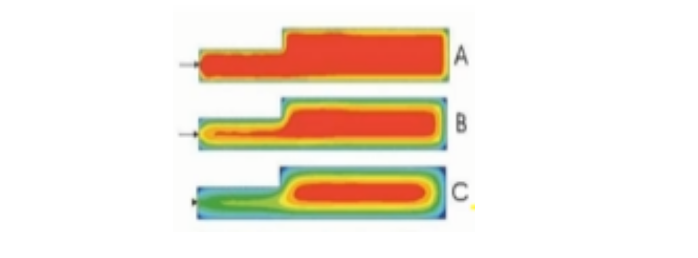
- Material and process control: Selecting thermoplastic engineering plastics with uniform cooling properties and optimizing the cooling channels in the injection mold can help alleviate this plastic molding defect.
- Design adjustments: You can optimize your product design to ensure uniform product wall thickness and reduce iternal stress that causes warpage.
(Original product design - estimated shrinkage marks - thickening key parts to reduce the occurrence of shrinkage marks)
Cause: Shrinkage marks are indentations formed on the surface of the product after the material shrinks. The location where shrinkage marks appear is usually characterized by bone positions, protrusions or material accumulation on the back. All plastics shrink when cooled, but the degree of shrinkage varies.
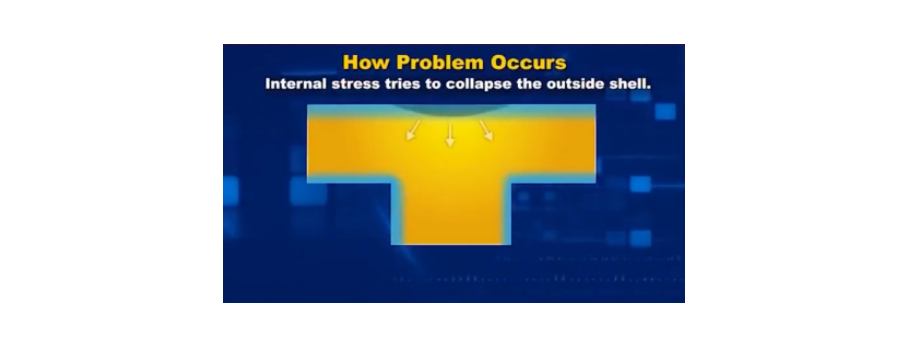
- When designing a product, try to keep the wall thickness constant, especially for connected walls or products with features on the back.
- When designing the mold, you can open more cooling water channels in key areas.
- When designing the process, you can reduce shrinkage marks by balancing injection pressure, temperature and cooling time.
- When selecting injection molding materials, proper material preparation, including pre-drying, can reduce the possibility of shrinkage marks. We can also use dark, matte finishes and rough surface textures to cover shrinkage marks. Bottom of Form
- During injection molding, increasing the holding pressure and time can help compensate for material shrinkage and effectively solve the injection molding problem of shrinkage marks.
3. Short material
Cause:Short material means that the mold is not completely filled with plastic, resulting in an incomplete product. This injection molding problem is common when injecting small parts because it is difficult to ensure that the mold cavity is completely filled. This injection molding defect can be caused by insufficient pressure, poor melting or improper part design.
Solution:
- Optimize injection molding conditions: Adjusting injection pressure and speed can help fill the mold completely and solve the problem of short material in injection molding.
- Improve mold design: Optimize the design of runners and feeding systems to improve the flow of materials during injection molding.
4.Burn marks
Cause: Burn marks are black spots that appear due to slight burning of plastic due to high temperature or trapped air. This is a common defect in injection molds and is prone to occur when the material is overheated.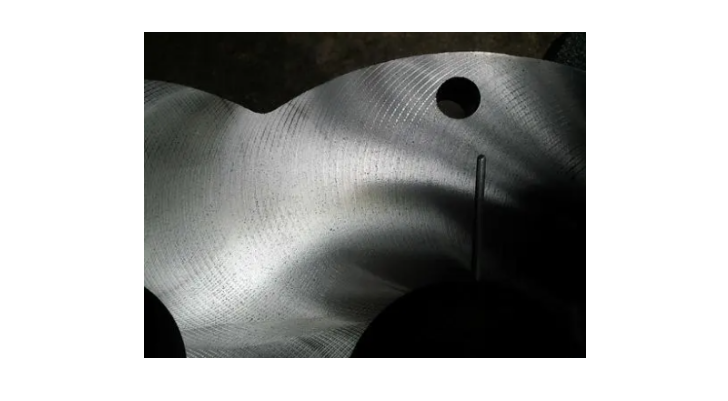
- Reduce injection speed: Slowing down the injection speed can reduce overheating and allow air to escape.
- Improve the exhaust system: Improving the exhaust system of the mold is a key injection molding solution to prevent air entrapment.
5.Jetting
Cause: Jetting is a defect that appears as a wavy texture on the surface of the injection molded part. This is caused by the molten plastic being ejected into the mold cavity at a high speed and cooling before the rest of the material flows properly.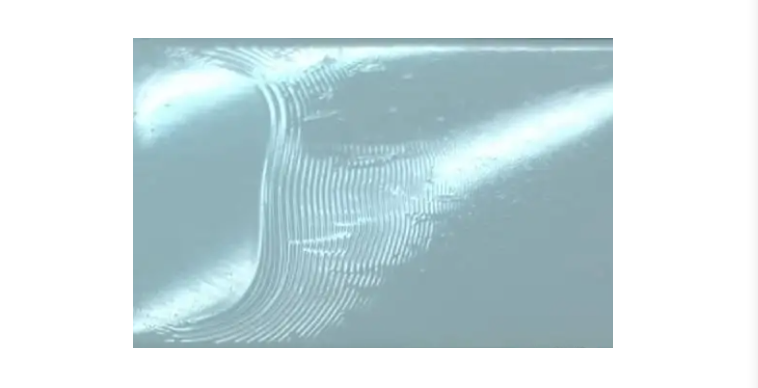
- Adjust injection speed: Controlling the speed at which the material enters the mold can help prevent jetting and has a specific focus in jet injection molding troubleshooting.
关于我们
——
ABOUT US


