NSP PROTOTYPES MANUFACTORY

How to choose the right injection mold material
NSP PROTOTYPES Technology LIMITED
TIME:2024/6/21
Injection molds must be made of materials that can withstand the high pressures and temperatures during the injection molding process and must also be compatible with the type of plastic that needs to be injected. Whether the mold material is correctly selected not only affects the life of the mold, but also the aesthetics and structural integrity of the final product.
Key factors in the selection of injection mold materials:
Thermal conductivity: High thermal conductivity is essential because it helps to reduce cycle time by quickly cooling the mold, which is essential to maintaining production efficiency.
Wear resistance: The mold material must resist wear caused by the continuous flow of plastics, especially those filled with abrasive materials
Corrosion resistance: Some plastics may release corrosive substances. Under such conditions, the mold material should be selected to withstand the corrosive environment to prevent degradation.
Cost-effectiveness: Material cost is an important factor, especially in large-scale production where part cost needs to be minimized.
Processability: Materials that are easy to process can significantly reduce the time and cost associated with mold manufacturing.
Common injection mold materials:
Each has its own unique properties and advantages
Steel:
Mold steel: The model of mold steel usually varies according to its use and performance characteristics, rather than a fixed model. Different mold steel grades have different properties and uses. Some common mold steel types include:
¨C P20 steel: P20 is a general-purpose plastic injection mold steel with good machinability, wear resistance, and heat resistance. It is often used to produce large and complex plastic parts.
¨C H13 steel: H13 is a hot work mold steel with excellent heat resistance and wear resistance, suitable for die casting and injection molding in high temperature environments.
¨C S136 steel: S136 is a stainless steel mold steel with good corrosion resistance and oxidation resistance, commonly used in the production of transparent plastic products and medical devices.
¨C 718 steel: 718 is a heat-resistant plastic mold steel suitable for the production of high-temperature plastic products such as automotive parts and home appliance housings.
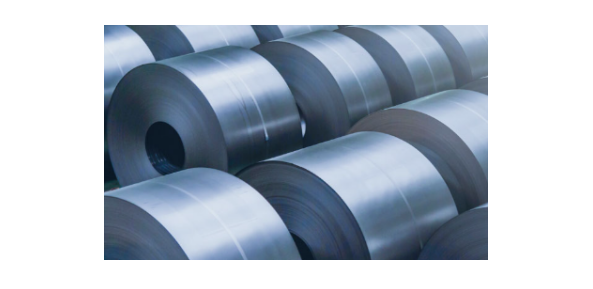
¨C SUS420J2: It has good hardness and wear resistance and is suitable for making general injection molds.
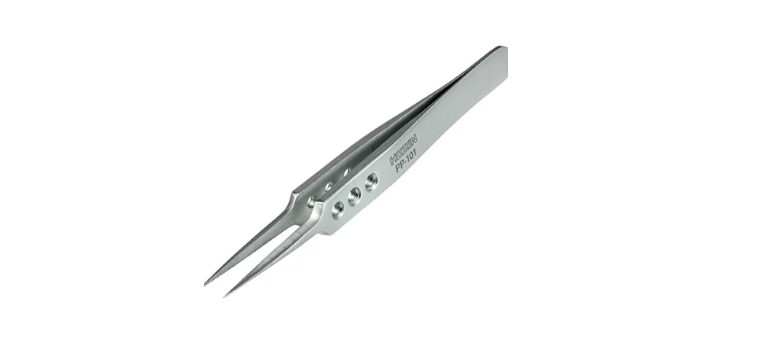
¨C SUS316: has higher corrosion resistance and is often used in the production of plastic products with higher requirements, such as medical devices and food containers.
¨C NAK80: has good wear resistance and corrosion resistance and is suitable for the production of precision plastic products, such as optical parts and electronic parts.
Aluminum alloy: Aluminum alloy materials have the characteristics of light weight and good thermal conductivity. They are suitable for rapid prototyping, small batch production and injection mold manufacturing with good processing performance. Common aluminum materials used for injection molds include:
¨C 7075 aluminum alloy: has excellent strength and hardness, and is suitable for the production of plastic products that require higher wear resistance and heat resistance.
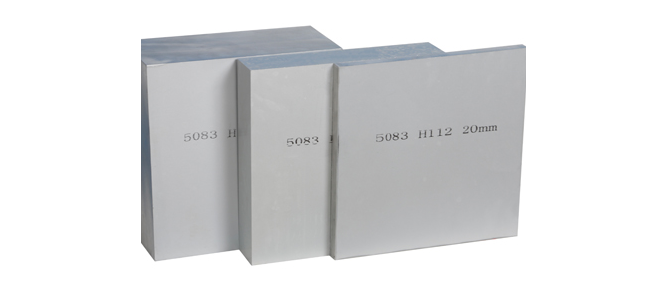
¨C 2024 aluminum alloy: has high strength and cutting performance, and is suitable for the manufacture of high-speed injection molds.
Beryllium Copper Alloy: Used in specific mold areas that require superior thermal conductivity or high dimensional stability, this material also has strength and hardness.
Interaction of injection mold materials with injection molded product plastics:
1. Acrylic (PMMA): Commonly known as acrylic, requires precise temperature control during the molding process. Mold steels are often used because they can maintain stable temperatures.
2. Acrylonitrile Butadiene Styrene (ABS): ABS is abrasive and requires molds made of wear-resistant materials, such as hardened steel, to resist wear.
3. Nylon (Polyamide, PA): Nylon is hygroscopic and corrosive; therefore, stainless steel molds are often used to prevent mold corrosion.
5. Polyethylene (PE) and Polypropylene (PP): These two materials are less abrasive and can be produced in short cycles using aluminum or pre-hardened steel.
6. Polyoxymethylene (POM): POM is known for its rigidity and can be processed in steel molds that can withstand its high processing temperatures.
7. Polystyrene (PS): Brittle PS molds well in aluminum molds due to the material's excellent cooling properties.
8. Thermoplastic Elastomers (TPE) and Thermoplastic Polyurethanes (TPU): These materials require molds that can handle their elasticity and viscosity, typically using steel molds with specialized coatings for easy demolding.
Suppliers of Production Molds and Injection Molding:
It is essential to work with an experienced mold supplier. They can provide insights into the most common materials and the latest innovations in mold technology. Experienced mold processors can also provide customized solutions for specific injection molding project needs, ensuring optimal compatibility between the mold material and the plastic used.
Processing Cost Considerations:
In addition to material properties, cost factors also play a role in material selection. The initial cost of the material is a significant investment, and choosing the right material can greatly reduce overall expenses by reducing wear and maintenance costs. For example, while aluminum alloy molds are less expensive and cool faster, they are not as durable as steel molds under the requirements of high-volume production. Therefore, it is also important to predict expected production volume and mold life when evaluating cost benefits.
关于我们
——
ABOUT US


